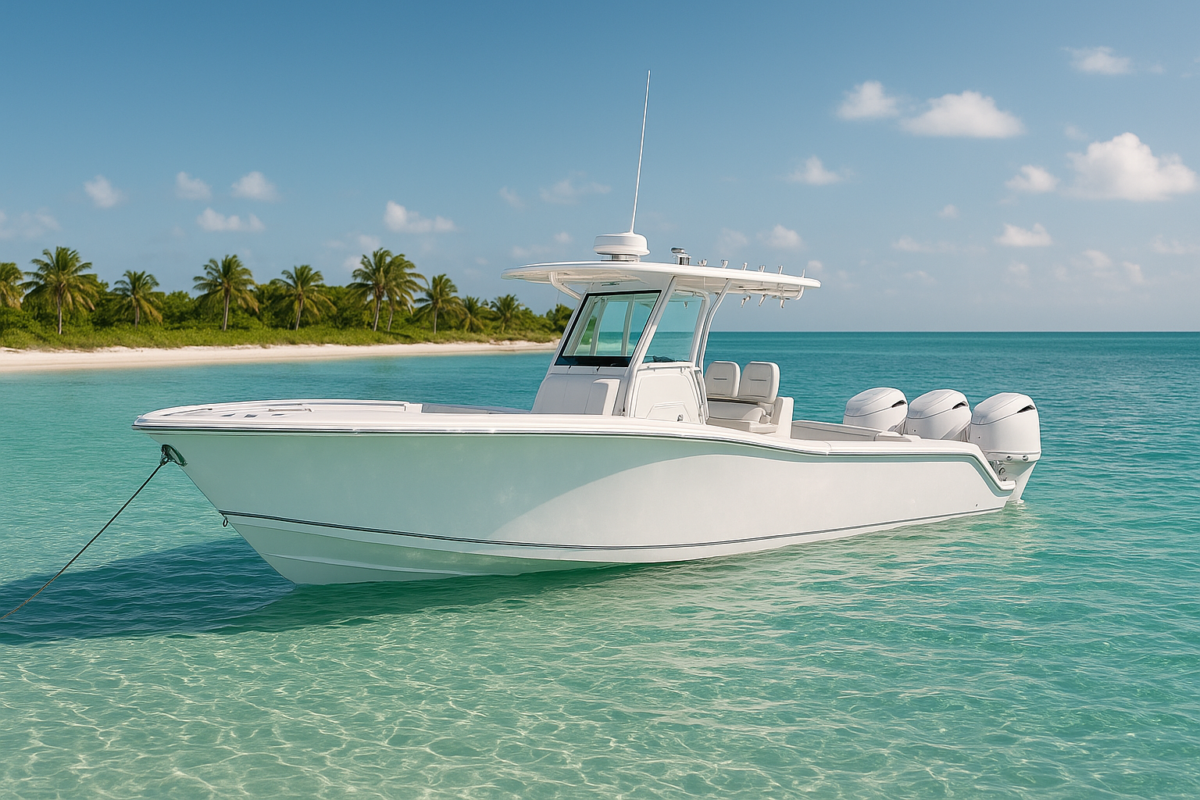
Florida feels built for boating. Nearly 1 million registered vessels move through its bays, rivers, canals, lakes, and coastal waters. On any sunny weekend, ramps fill early, and sandbars turn into floating neighborhoods. Yet Florida creates a strange paradox for boat owners. State law does not require most boaters to carry Florida boatowners insurance.
However, that legal freedom can mislead new owners fast. Florida is one of only two states where watercraft insurance is not mandated by state law. Still, “not legally required” does not mean optional in real life. Marinas, lenders, HOAs, and storm-season risks often make Florida Boatowners insurance a practical necessity. Therefore, smart Florida boaters treat coverage as part of owning the boat, not as an extra.
Florida’s Boating Paradox: No Law, Real Need
Florida boaters enjoy rare legal flexibility. In most cases, the state will not ask for proof of Florida boatowners insurance before you launch. Also, registration does not usually depend on carrying liability or hull coverage. That fact surprises many new owners who move from states with stricter rules. However, the water creates risks that the law does not remove.
A small accident can become expensive in minutes. For example, one docking mistake can damage another vessel, a seawall, or a marina fuel line. Also, a guest can slip on deck and file a claim for medical bills. Without liability coverage, the boat owner must answer for those costs personally. Therefore, no state mandate means no financial exposure.
Florida also has conditions that raise the stakes. Storms can form quickly, channels can get crowded, and shallow water can punish one bad turn. Meanwhile, saltwater speeds up wear on engines, wiring, and fittings. As a result, losses can cost far more than many owners expect. Florida boatowners insurance helps turn those risks into a planned expense instead of a financial shock.
Gatekeepers That Make Florida Boatowners Insurance Mandatory
Lenders often make the first insurance decision for financed boats. If you borrowed money to buy the vessel, the lienholder protects its interest. Therefore, the lender will usually require comprehensive hull coverage. That coverage helps pay for damage from theft, fire, storms, collision, and sinking. Also, the lender may demand proof of coverage before closing the loan.
Marinas create another major gatekeeper. Almost every commercial marina or slip lease in Florida requires watercraft liability insurance. In many places, the required minimum falls between $300,000 and $500,000. Also, the marina will usually ask to be listed as an additional insured. Without proof, you may not get a slip, dry-rack space, or long-term storage.
Homeowners insurance creates one of the biggest myths in boating. Many owners assume their Florida homeowners policy protects the boat. However, standard home policies offer little or no meaningful coverage once the boat leaves the driveway. In addition, they often exclude larger boats or vessels over tiny horsepower limits. Therefore, a separate boat policy is usually the only realistic form of protection.
A Softer Marine Market, But Stricter Rules
Florida’s home insurance market has been painful for many residents. Premiums have climbed, carriers have tightened rules, and some homeowners have lost choices. However, the marine hull and liability market looks somewhat different. New competition has entered the space, especially for responsible operators with clean records. As a result, rates can remain stable or even slightly softer for well-kept boats.
Still, Florida geography matters a lot. Underwriters assess hurricane exposure before offering terms. South Florida, the Florida Keys, and the Gulf Coast often receive extra scrutiny. Also, carriers may ask harder questions about storm plans, dockage, and storage. Therefore, a good boating record does not always overcome a risky location.
Older boats face even closer review. Many insurers inspect vessels over 20 years old before offering full coverage. They may request surveys, maintenance records, engine details, and photos. In addition, some carriers limit coverage or refuse older hulls with neglected systems. Consequently, owners of classic or older vessels should start the Florida boatinsurance insurance process early.
Fine Print for Florida Boatowners Insurance That Sinks Your Wallet
Florida boatowners insurance depends on the details inside the policy. One of the biggest choices involves valuation. “Agreed Value” means the insurer and the owner agree on a covered amount in advance. If a total loss occurs, the payout is limited to the agreed amount, subject to the policy terms. Therefore, Agreed Value coverage often better protects the owner’s investment.
“Actual Cash Value” works differently. That type of policy factors in depreciation before paying a claim. As a result, an older boat may produce a much smaller payout than the owner expects. Also, electronics, canvas, motors, and gears can lose value quickly on paper. For many Florida owners, Agreed Value coverage gives more predictable protection.
Fine print also controls where and how the boat can operate. Many policies include navigational limits that create invisible boundaries. For example, a casual weekend run to the Bahamas may not be covered without an international navigation endorsement. Also, some policies restrict distance from shore or exclude certain waters during the named storm season. Therefore, boaters should read navigation terms before they plan a trip.
Florida Boatowners Insurance Protects Boats and Budgets
Florida boatowners insurance changes sharply during named storms. A normal deductible may look manageable during everyday use. However, a Named Storm or Hurricane Deductible can jump to a percentage of the boat’s insured value. For example, a 5% or 10% deductible on a valuable boat can cost thousands. Therefore, owners should review storm deductibles before hurricane season starts.
High-quality policies may help owners act before damage occurs. Many include Hurricane Haul-Out Reimbursement. That feature can pay 50% or more of the cost to haul, block, and store the vessel on higher ground. Also, reimbursement encourages owners to move early instead of waiting too long. As a result, the insurer and the boater both reduce potential losses.
Storage choices also affect pricing. A boat on a trailer often receives better treatment than a boat left in a wet slip. Likewise, dry-rack storage can look safer to underwriters than an open lift during storm season. In addition, carriers may offer credits when owners follow approved storm plans. Therefore, smart storage can protect the boat and lower premiums.
Your Pre-Season Checklist for Confident Boating
Start each season with a policy review. First, confirm your liability limits match your marina, lender, and personal risk level. Also, check whether your policy includes wreck removal. If your boat sinks in a navigable channel, federal rules can require you to remove it. Without specific coverage, that job can cost tens of thousands of dollars.
Next, review environmental and fuel spill liability. A small fuel spill at a dock, reef, or marina can trigger cleanup costs and fines. In Florida, state and federal authorities take pollution seriously. Therefore, environmental liability riders should not feel optional. Also, confirm your policy covers spills from fueling errors, groundings, and sinking events.
Finally, look for discounts before you renew. Many carriers reward boaters who complete a state-approved safety course. Courses from the Coast Guard, Auxiliary, or similar providers can offer a 5% to 10% discount. Also, bundling with home or auto insurance may lower costs. However, an independent marine insurance specialist can often compare more options than a captive agent.
Florida gives boaters freedom, but freedom still carries responsibility. The state may not require watercraft insurance, yet lenders, marinas, and real-world risks often do. Before the season begins, confirm your liability limits, hull valuation, storm deductible, and navigational limits. Also, ask about wreck removal, fuel spill liability, and Bahamas endorsements if you need them. Then compare storage options and consider dry-rack or trailer options to secure better pricing. In addition, complete a boating safety course and ask for every available discount. For the best results, work with an independent marine specialist who understands Florida waters. A strong policy will not make storms, crowded docks, or shallow channels disappear. However, it can help you hit the water with total financial peace of mind.